2026-10-06 · Derek Voss
Furnace Repair Issues Common During Boise Cold Snaps
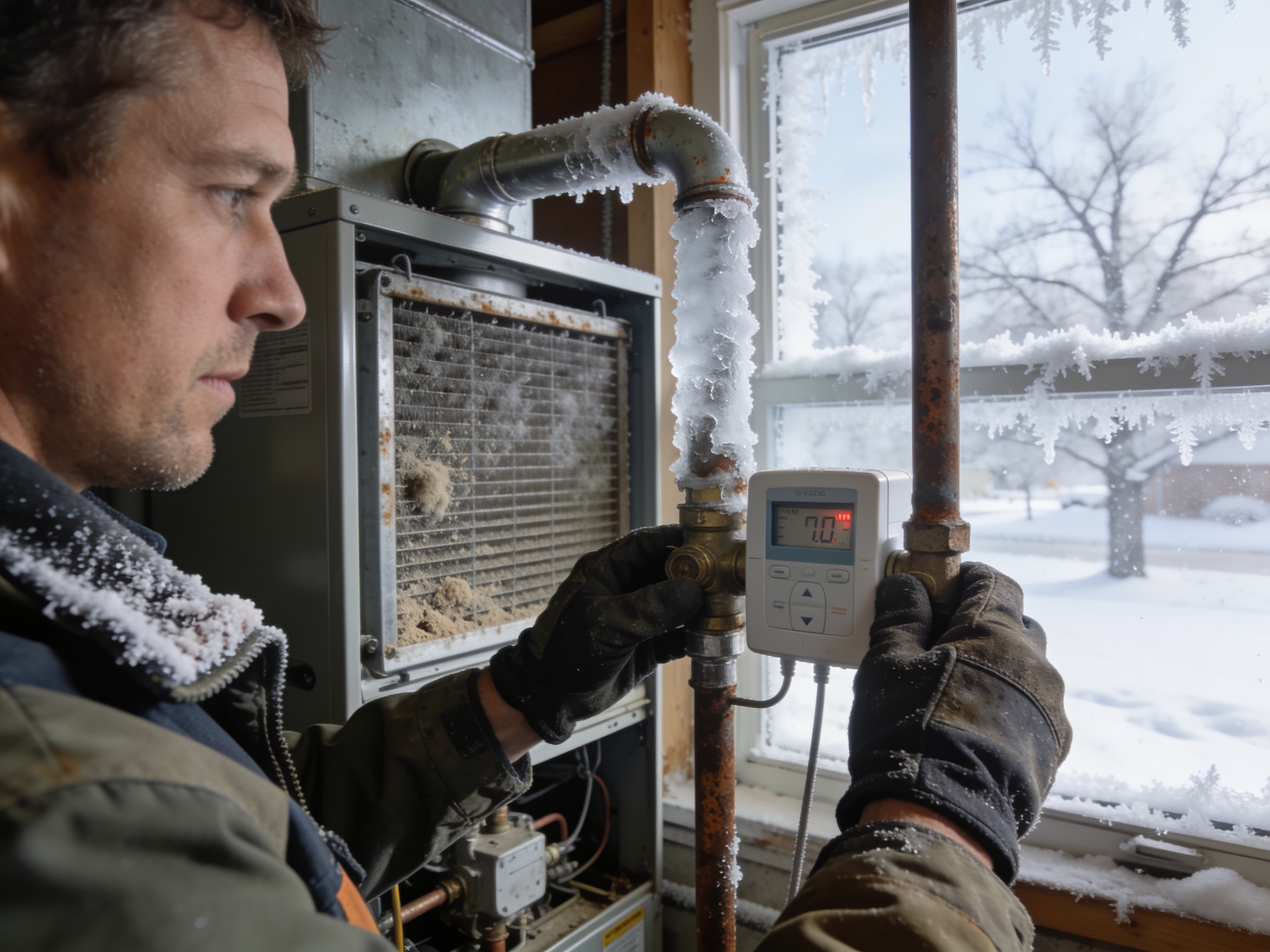
During Boise cold snaps, the most frequent furnace repair issues involve ignition failures, blower motor overload, and short cycling as systems strain to maintain heat in 83709 homes. These problems surface quickly when temperatures drop sharply overnight, especially in houses built between the 1970s and 1990s that line streets near 1219 S Bird St.
Ignition Failures During Sudden Temperature Drops
Boise winters bring rapid cold fronts that push furnace ignition systems to their limit. In 83709 neighborhoods, gas furnaces often fail to light on the first or second attempt because the cold thickens fuel mixtures and chills components. Homeowners notice repeated clicking sounds followed by lockouts. This pattern repeats in homes near the Boise River where overnight lows hit single digits. Technicians responding from the shop at 1219 S Bird St commonly replace hot surface igniters or clean flame sensors that have accumulated residue from incomplete combustion. Furnace ignition repair addresses these exact faults before a full system shutdown occurs. Older units in West Boise ID show higher failure rates because their ignition boards have already logged thousands of cycles. Checking the igniter resistance with a multimeter during a service call reveals cracks invisible to the eye. Cold air infiltration around poorly sealed ductwork in crawl spaces accelerates the wear. Addressing ignition issues early prevents frozen pipes in unheated areas of the house.
Blower Motor Overload in Prolonged Freezes
Extended cold snaps force blower motors to run for hours without rest, revealing weaknesses in bearings and capacitors. In 83709 homes with single-story layouts common to the area, motors sized for milder conditions overheat when pushing air through ducts chilled by ground temperatures. Residents hear grinding or squealing that starts after the system has run continuously for six or more hours. The motor may shut down on thermal overload, leaving rooms cold until it cools. Local crews note that homes in Southwest Boise ID often have motors original to the 1980s construction, making them vulnerable during multi-day freezes. Replacing the motor with a higher-efficiency model rated for continuous duty reduces future strain. Furnace blower motor repair restores airflow while technicians inspect the capacitor for bulging or leakage. Dirty filters compound the problem by restricting return air, so checking monthly during winter becomes essential. Terrain around the Boise Foothills creates microclimates where cold air pools in lower elevations, increasing runtime demands on these systems.
Short Cycling Triggered by Thermostat and Limit Switches
Short cycling appears when safety switches trip repeatedly during cold snaps because the furnace cannot sustain a full heat cycle. In 83709, homes with poorly calibrated thermostats or dirty flame sensors cause the limit switch to open prematurely. The unit starts, runs for two to three minutes, then shuts off, repeating the pattern and wasting energy. This issue surfaces most in East End Boise ID where older ranch-style houses have single-stage furnaces struggling against wind-driven cold. Technicians trace the root cause to oversized equipment or blocked vents that prevent proper heat exchange. Furnace short cycling articles detail how to measure temperature rise across the heat exchanger to confirm the diagnosis. Adjusting fan speed or replacing a faulty limit switch often resolves the cycle. Homeowners along Warm Springs Boise ID report this problem after heavy snow loads reduce outdoor air intake. Keeping return vents clear of furniture prevents the same shutdowns from recurring.
When Cold Snaps Expose Pilot Light and Sensor Problems
Pilot light problems intensify when wind gusts common to the Boise valley extinguish the flame or when thermocouples weaken from age. During a cold snap, a furnace that keeps shutting off often traces back to a pilot assembly coated in soot or a sensor that no longer detects the flame reliably. Homes in North End Boise ID with basements experience more drafts that affect pilot stability. Replacing the thermocouple or converting to an electronic ignition eliminates repeated relighting calls. Furnace pilot light problems guides outline safe relighting steps while warning against forcing a system that continues to fail. Local operators carry common thermocouple sizes on trucks because these parts fail predictably after eight to twelve years. Checking for proper pilot flame height during routine visits catches issues before a cold snap arrives.
Practical Steps After a Cold Snap Passes
Once temperatures moderate, inspect the furnace for lingering effects such as cracked heat exchangers or worn belts. Homeowners in Southeast Boise ID benefit from scheduling a post-snap check to verify combustion efficiency before the next freeze. Reviewing the related article on preparing your furnace for Boise's first hard freeze helps plan ahead. Tracking runtime hours on the system reveals whether components are nearing the end of typical service life. Addressing small issues promptly keeps the furnace reliable through remaining winter weeks.